Roles below the highly qualified thresholds
Where the EU Blue Card doesn't apply, metaklisi is the standard employment route for bringing a third-country national into a Greek payroll.
Metaklisi is the procedure through which a Greek employer invites a third-country national to come and work in Greece. The authorities approve the invitation against the annual quota set by Cabinet act; the worker then gets a national visa at the Greek consulate and a residence permit after arrival. Plan for several months end to end.
Before you commit, you get the scope and a fixed fee in writing. Licensed Greek counsel handles the legal work wherever the law requires it, and one team stays with the case from the permit to settling in, with every step visible in your HR dashboard.
Where the EU Blue Card doesn't apply, metaklisi is the standard employment route for bringing a third-country national into a Greek payroll.
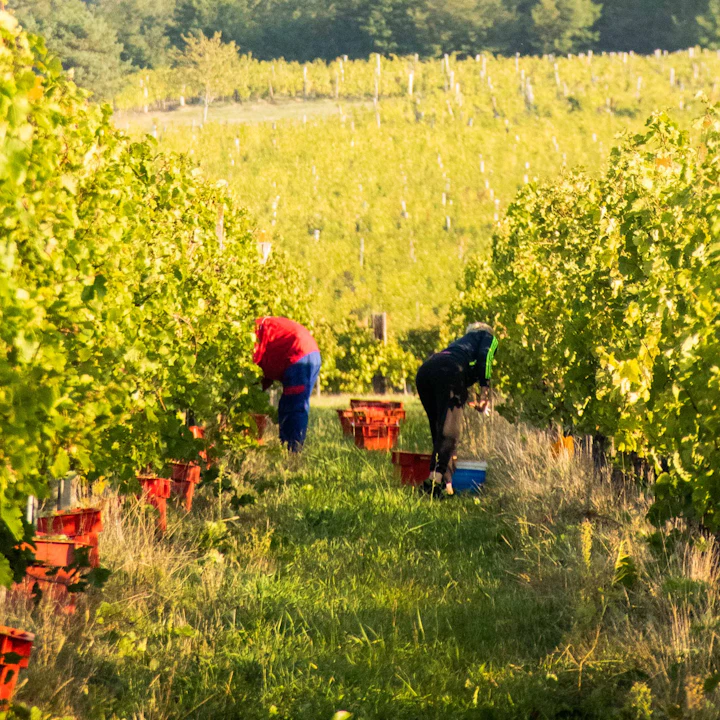
Tourism, agriculture, food and construction employers use the invitation procedure to staff roles the local labour market has not filled.
The number of positions is set each year by Cabinet act, per sector and occupation. Filing inside the right window matters more than filing fast.
Metaklisi assumes the worker is outside Greece and enters on a national visa issued after the invitation is approved.
Someone already legally residing in Greece usually needs a status change, not an invitation. We check this first, because filing the wrong one loses months.
EU/EEA and Swiss citizens need no invitation — only registration, a tax number (AFM) and a social security number (AMKA) once they arrive.
State fees: €546 per worker for dependent work, €266 for seasonal work. Our own fee is fixed per worker, in a written quote. See the breakdown →
We confirm that the region, occupation and available positions match the hire, and that the company's tax and insurance standing supports the filing.
The invitation application is filed with the competent authority, with the job description, terms, accommodation evidence and company documentation.
Once approved, the worker applies for the national entry visa at the Greek consulate in their country of residence, using the approved invitation.
After entry, the residence permit for employment is filed at the migration office, with biometrics and the blue receipt covering lawful stay.
Tax number (AFM), social security (AMKA) registration, bank account and — if you want it — housing and settling-in support for the worker.
Pick the start date and see when to prepare the file, file the application and plan the consulate stage.
Exact requirements depend on nationality, role and the consulate or migration office handling the case. We confirm your list before anything is filed.
It is the invitation procedure: a Greek employer formally invites a specific third-country national to fill a position, the authorities approve it against the published quota, and the worker then obtains an entry visa and a residence permit for employment.
The maximum number of positions is set each year by Cabinet act (ΠΥΣ), per sector and occupation. Once the positions for your role are used up, new applications are not accepted until the next act — so timing is part of the strategy.
Plan on several months end to end. Once the consulate decides on the visa, it has a strict 30 calendar days to notify the one-stop-shop service, which then has 15 calendar days to notify you — the employer filing and in-country permit stages add further time on top. We confirm a dated timeline once we've checked your sector's quota and region.
As early as you can. Each year's maximum number of positions is set by a Cabinet act (ΠΥΣ) issued in the last quarter of the previous year, per sector and occupation — and once the positions are used up, new applications are not accepted. The 2026 ministry circular recommends that the contract start roughly 60–90 days after the application is filed, and the consular stage comes on top of that. For a season that opens in spring, the file usually needs to be ready during the winter.
Third countries (outside the EU), on the terms of that year's Cabinet act. The act can name specific countries and a number of workers per country, and invitations from a given country can be suspended. Seasonal farm work from Egypt runs through a separate bilateral procedure: candidates come through ETHEAS and the employer does not choose them freely. In every case the worker must be over 18. We check the country you have in mind before you start recruiting.
Another question? See all our FAQs
Send us the role, the region and the candidate's nationality. We'll tell you whether the quota supports it and what the timeline looks like.